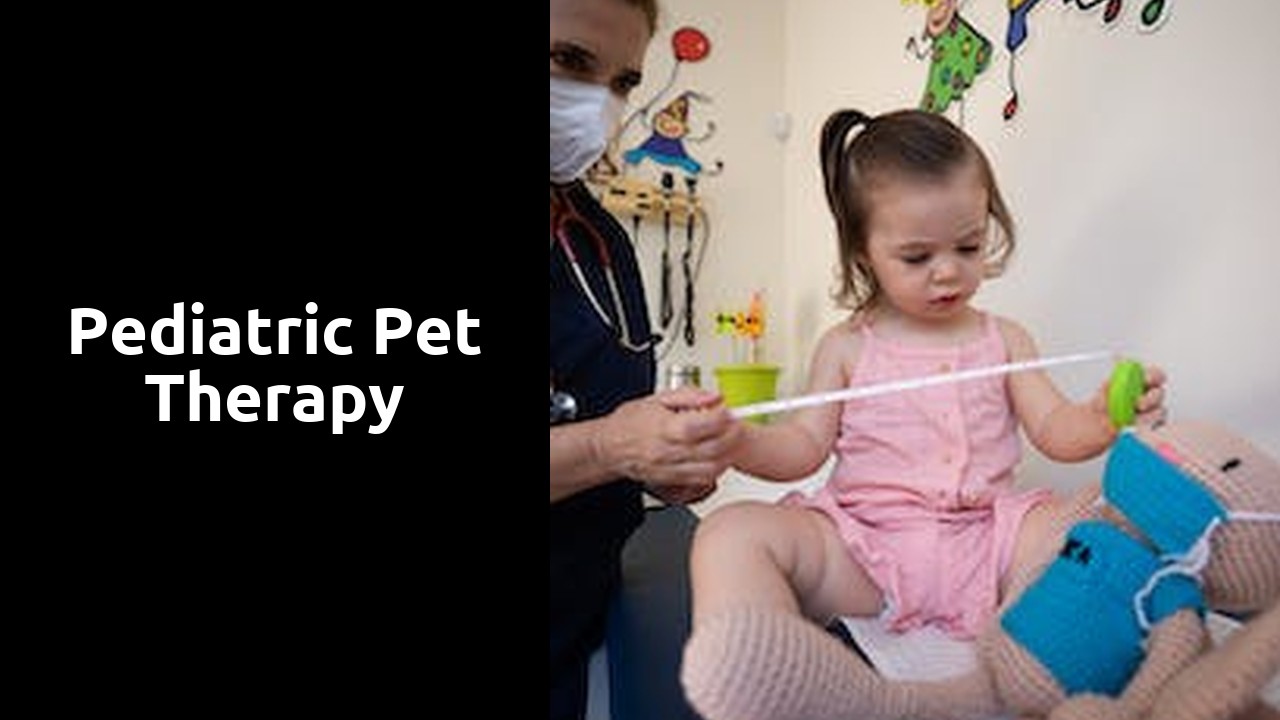
Pediatric Pet Therapy
Benefits of Pet Therapy for Children
Pet therapy, also known as animal-assisted therapy, has been widely recognized as a beneficial intervention for children. The presence of animals in therapeutic settings has shown positive effects on a child's mental, emotional, and physical well-being. Firstly, pet therapy provides a unique form of companionship and unconditional love to children, especially those who may be experiencing loneliness or isolation. Animals have a remarkable ability to provide a sense of comfort and security, offering a non-judgmental presence that can be particularly comforting for children facing challenges.
Furthermore, engaging in pet therapy has been shown to have a positive impact on a child's overall emotional well-being. Interactions with animals have been known to reduce stress, anxiety, and depression in children. The soothing presence of a gentle and empathetic animal can help alleviate feelings of unease and promote a calming effect on children. Additionally, activities such as grooming, walking, or playing with therapy animals can increase a child's sense of joy and happiness, which can contribute to a more positive mental state.
Types of Animals Used in Pediatric Pet Therapy
Dogs are one of the most commonly used animals in pediatric pet therapy. They have been known to provide a range of benefits to children, including reducing anxiety, providing a sense of comfort, and promoting social interaction. Their friendly and loyal nature make them ideal for therapy sessions, as they can form strong bonds with the children they interact with. Dogs are also highly trainable, allowing them to learn specific tasks that can assist children with physical disabilities or emotional needs.
Cats are another popular choice for pediatric pet therapy. With their calming presence and gentle nature, cats can help children relax and reduce stress levels. Their soft fur and soothing purrs can provide comfort and companionship to children who may be experiencing medical treatments or emotional distress. Cats are also independent creatures, which can encourage children to develop a sense of responsibility and empathy as they care for and interact with them during therapy sessions.
How Pet Therapy Can Help Children with Anxiety
Children with anxiety can often experience a range of emotional and psychological challenges. However, incorporating pet therapy into their treatment plan can provide numerous benefits. Interacting with animals can help alleviate anxiety by promoting a sense of relaxation and comfort. The presence of a therapy animal can create a calming environment, allowing children to feel at ease and reduce their anxiety levels. The gentle and non-judgmental nature of animals can also help children build trust and develop a sense of security, contributing to their overall emotional well-being.
Moreover, pet therapy can help children with anxiety develop coping mechanisms and improve their social skills. Engaging in activities with therapy animals can provide a sense of structure and routine, which can be particularly beneficial for children who struggle with anxiety-related challenges. By participating in animal-assisted therapy sessions, children can learn to regulate their emotions, build resilience, and develop a sense of responsibility. Additionally, the presence of animals can serve as a social bridge, making it easier for children to interact with therapists and peers, improving their communication and interpersonal skills.
The Role of Pet Therapy in Pediatric Hospitals
Pet therapy has become increasingly popular in pediatric hospitals due to its numerous benefits. The presence of animals can significantly improve the well-being of young patients, helping to create a more positive and comforting environment. The use of therapy animals in these settings can help reduce stress and anxiety, provide emotional support, and even distract children from their pain and discomfort. By interacting with the animals, children may experience an increase in their overall happiness and a decrease in feelings of loneliness.
In pediatric hospitals, therapy animals play a crucial role in promoting healing and recovery. They can provide a sense of normalcy and familiarity to the young patients, particularly those who may be experiencing extended stays or frequent medical interventions. Additionally, therapy animals can assist in encouraging physical activity and social interaction, as children are often more willing to engage in tasks and communication when animals are involved. The presence of these animals can also lift spirits, boosting morale both for the patients and the healthcare staff. Overall, the role of pet therapy in pediatric hospitals is invaluable, providing a range of physical, emotional, and social benefits for children during their hospitalization.
Ways Pet Therapy Can Improve Emotional Well-being in Children
Children often face emotional challenges and stressors that can impact their overall well-being. Fortunately, pet therapy has emerged as a promising avenue to improve emotional well-being in children. The presence of animals, such as dogs or cats, in therapeutic settings helps promote a sense of comfort and emotional stability. Interacting with these animals can engage the child's senses, allowing them to experience the calming effects that pets can bring. Pet therapy provides a non-judgmental and unconditional source of support for children, allowing them to express their emotions and feel accepted without fear of criticism or rejection. This can have a profound impact on their emotional well-being, fostering a sense of happiness, trust, and belonging.
Moreover, pet therapy has been found to greatly reduce stress and anxiety levels in children. Interacting with animals has been shown to increase the production of oxytocin, a hormone responsible for reducing stress and promoting feelings of relaxation and contentment. This release of oxytocin during pet therapy sessions can have the effect of alleviating anxiety symptoms, helping children feel more calm and at ease. In addition, the act of petting or cuddling an animal can provide a distraction from negative thoughts and worries, allowing the child to focus on the present moment and find solace in the companionship of the therapy animal. Overall, pet therapy offers a unique and effective way to improve the emotional well-being of children by providing them with a safe, supportive, and therapeutic environment.
The Importance of Proper Training for Therapy Animals
Animals play a crucial role in providing therapy and support for children in need. However, it is important to emphasize the significance of proper training for therapy animals in order to ensure their effectiveness and safety. Training provides therapy animals with the necessary skills and behaviors to work effectively in various healthcare settings.
Firstly, proper training helps therapy animals learn how to interact appropriately with children. This training focuses on teaching the animals how to approach children calmly and gently, respecting personal boundaries. By creating a positive and safe environment, therapy animals can establish trust and rapport with the children they are supporting. Additionally, training helps therapy animals develop patience and tolerance, enabling them to handle different situations with ease. These skills are essential when working with children who may have special needs or emotional challenges.
In conclusion, the importance of proper training for therapy animals cannot be underestimated. It ensures that animals are equipped with the necessary skills to provide effective therapy and support to children. Through training, therapy animals can learn how to interact appropriately and build a strong connection with their young recipients. This ultimately enhances the overall success of pet therapy and contributes to the emotional well-being of the children involved.
Served areas in New York:
YonkersWhite Plains
New Rochelle
Mount Vernon
Scarsdale
Bronxville
Pelham
Larchmont
Rye
Mamaroneck
Harrison
Port Chester
Eastchester
Tuckahoe
Sleepy Hollow
Irvington
Dobbs Ferry
Ardsley
Hastings-on-Hudson
Elmsford
Briarcliff Manor
Ossining
Croton-on-Hudson
Peekskill
Yorktown Heights
Cortlandt Manor
Mount Kisco
Chappaqua
Pleasantville
Hawthorne
Valhalla
Thornwood
North Castle
Armonk
Served areas in New Jersey:
Jersey CityNewark
Paterson
Elizabeth
Edison
Woodbridge
Lakewood
Toms River
Hamilton
Trenton
Clifton
Camden
Cherry Hill
Passaic
Union City
Bayonne
Old Bridge
Middletown
Franklin Township
Irvington
Wayne
Parsippany-Troy Hills
Howell
Perth Amboy
Hoboken
Plainfield
West New York
Hackensack
Sayreville
Vineland
East Brunswick
North Bergen
New Brunswick
Jackson
Wayne
Union
Bloomfield
Bridgewater
Evesham
South Brunswick
Egg Harbor
Hillsborough
Gloucester Township
North Brunswick
Mount Laurel
Kearny
Linden
Teaneck
Winslow
Cherry Hill
Manalapan
Rockaway
Westfield
Hoboken
Hackensack
Sayreville
Lindenwold
Atlantic City
Montclair
Belleville
Pennsauken
Ewing
Fort Lee
Willingboro
Long Branch
Garfield