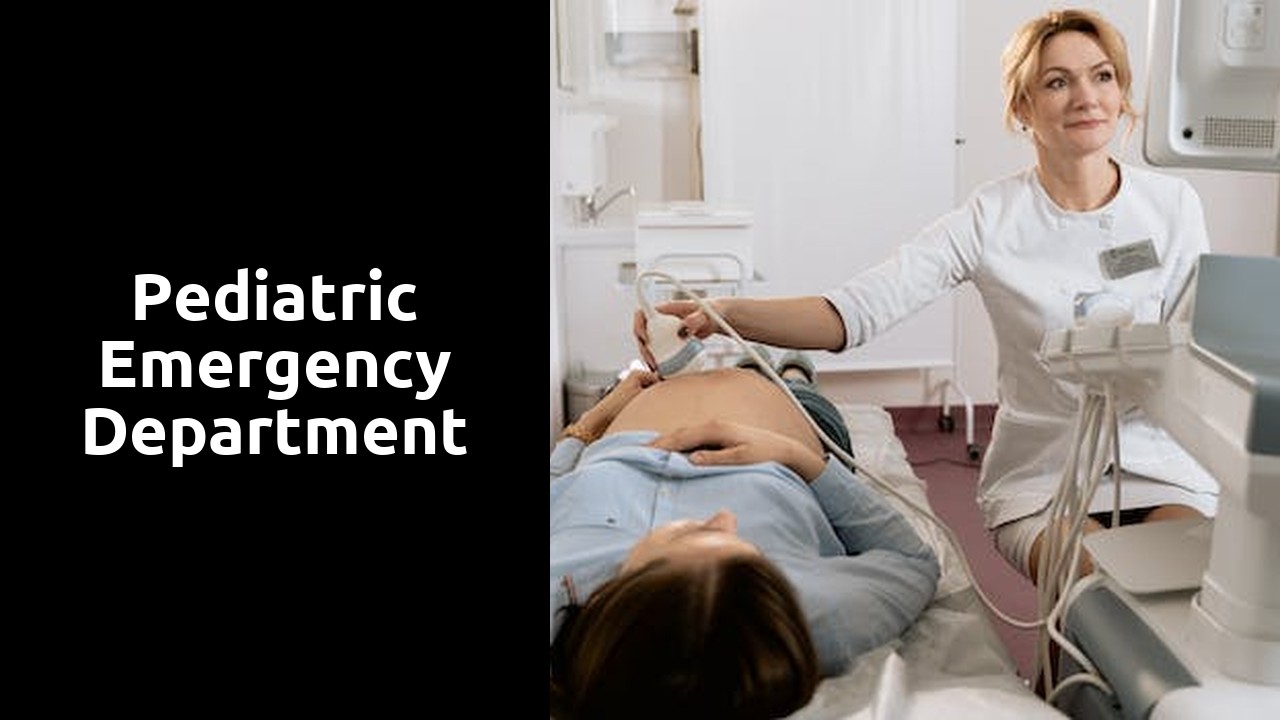
Pediatric Emergency Department
Understanding Pediatric Emergency Care: An Overview
Pediatric emergency care is a specialized branch of medicine that focuses on providing immediate medical attention to children who are in need of urgent treatment. This particular field of healthcare is dedicated to diagnosing and treating a wide range of medical conditions, ranging from minor injuries to life-threatening illnesses.
When it comes to pediatric emergencies, time is of the essence. Children's bodies are constantly growing and changing, which means that their medical needs can vary greatly from those of adults. It is crucial for parents and caregivers to be aware of the signs and symptoms of a pediatric emergency, as early intervention can greatly improve outcomes and potentially save lives. Whether it's a high fever, difficulty breathing, or a severe injury, recognizing the need for urgent medical care can make all the difference in a child's recovery.
Common Pediatric Emergencies and How to Handle Them
Fever is one of the most common pediatric emergencies that parents may encounter. In infants and young children, a fever can be a sign of an underlying infection or illness. To handle this emergency, it is important for parents to monitor the child's temperature regularly and seek medical attention if it goes above a certain threshold or if the child shows signs of distress. In most cases, fever can be managed at home by keeping the child comfortable, offering plenty of fluids, and administering appropriate fever-reducing medications as directed by a healthcare professional.
Another common pediatric emergency is respiratory distress. This can manifest as difficulty breathing, fast breathing, or noisy breathing. Parents should closely observe the child's behavior and seek immediate medical attention if they notice any of these signs. While waiting for help to arrive, it is important to keep the child in an upright position, ensure a clear airway, and provide reassurance and comfort. By understanding how to handle common pediatric emergencies such as fever and respiratory distress, parents can play a crucial role in ensuring the well-being of their child during critical situations.
The Role of Pediatric Emergency Specialists in Saving Lives
Pediatric emergency specialists play a crucial role in saving the lives of children in urgent medical situations. With their specialized training and expertise, these professionals are equipped to handle a wide range of pediatric emergencies, from respiratory distress to severe injuries. Their primary responsibility is to assess the severity of a child's condition and provide immediate and appropriate care to stabilize the child's medical status.
In addition to their medical knowledge, pediatric emergency specialists are skilled in effectively managing the emotional and psychological needs of both the child and their parents or guardians. They understand that pediatric emergencies can be highly stressful and overwhelming, and they strive to create a calm and supportive environment for all involved. These specialists possess exceptional communication skills, which are essential for explaining diagnoses, treatment plans, and any necessary procedures to worried parents in a clear and compassionate manner. By ensuring that parents understand what is happening and what to expect, these specialists provide reassurance and promote a sense of trust throughout the emergency care process.
Identifying Signs of a Pediatric Emergency: What Parents Should Know
Recognizing the signs of a pediatric emergency is crucial for parents, as it allows for timely intervention and potentially life-saving measures. While it is common for children to have occasional ailments and minor injuries, there are certain indicators that warrant immediate medical attention. One such sign is difficulty breathing or sudden shortness of breath. If your child is struggling to breathe, gasping for air, or turning blue, it is imperative to seek immediate medical assistance, as this could be a symptom of a serious respiratory condition or an allergic reaction.
Another important sign to be mindful of is persistent high fever. While fevers are generally a common occurrence in children, if your child's temperature consistently rises above 103°F (39.4°C) or does not subside with over-the-counter fever reducers, it may indicate a more severe underlying condition. Additionally, unusual lethargy or excessive sleepiness can be indicative of a serious health issue. If your child appears excessively tired, disoriented, or difficult to awaken, it is important to consult a medical professional promptly to evaluate the potential cause.
In some cases, symptoms such as severe abdominal pain, uncontrolled bleeding, sudden and severe headache, seizures, or unresponsiveness may also signal a pediatric emergency. It is crucial for parents to trust their instincts and seek immediate medical attention if they observe any alarming signs in their child's health. Remember, prompt action can make a significant difference in the outcome of a pediatric emergency, so do not hesitate to reach out to medical professionals or call emergency services when necessary.
The Importance of Timely Intervention in Pediatric Emergencies
Timely intervention plays a crucial role in pediatric emergencies. When it comes to children, their bodies respond differently to injuries and illnesses compared to adults. Hence, prompt action is essential to ensure the best possible outcome for the child.
One of the key reasons why timely intervention is vital in pediatric emergencies is the rapid progression of conditions. Children's bodies are still developing, and their immune systems may not be as robust as adults. This means that a seemingly minor issue can escalate rapidly in a short period of time. Therefore, quick recognition and immediate action are imperative to prevent complications and potentially life-threatening situations. Consequently, healthcare professionals must be equipped to respond swiftly and efficiently, as every second counts in saving a child's life.
Navigating the Pediatric Emergency Department: A Step-by-Step Guide
Upon arrival at the pediatric emergency department, take a deep breath and try to remain calm. Remember that the medical staff is there to help your child, so trust in their expertise. Begin by checking in at the reception desk and provide any necessary information, such as your child's name, age, and reason for the visit. The receptionist will guide you through the initial registration process and ensure that you receive the appropriate paperwork.
Next, you will proceed to the triage area, where a nurse will assess your child's condition and determine the level of urgency. It is important to provide accurate and detailed information about your child's symptoms, including any changes in behavior or vital signs. Be prepared to answer questions about their medical history and any ongoing treatments or medications. The triage nurse will prioritize cases based on the severity of illness or injury, so it may take some time before your child is called to be seen by a healthcare provider. In the meantime, try to keep your child calm and occupied, perhaps by engaging them in a quiet activity or reading a favorite book. Patience is crucial during this waiting period, as the medical staff is working diligently to ensure that all patients receive proper care.
Served areas in New York:
YonkersWhite Plains
New Rochelle
Mount Vernon
Scarsdale
Bronxville
Pelham
Larchmont
Rye
Mamaroneck
Harrison
Port Chester
Eastchester
Tuckahoe
Sleepy Hollow
Irvington
Dobbs Ferry
Ardsley
Hastings-on-Hudson
Elmsford
Briarcliff Manor
Ossining
Croton-on-Hudson
Peekskill
Yorktown Heights
Cortlandt Manor
Mount Kisco
Chappaqua
Pleasantville
Hawthorne
Valhalla
Thornwood
North Castle
Armonk
Served areas in New Jersey:
Jersey CityNewark
Paterson
Elizabeth
Edison
Woodbridge
Lakewood
Toms River
Hamilton
Trenton
Clifton
Camden
Cherry Hill
Passaic
Union City
Bayonne
Old Bridge
Middletown
Franklin Township
Irvington
Wayne
Parsippany-Troy Hills
Howell
Perth Amboy
Hoboken
Plainfield
West New York
Hackensack
Sayreville
Vineland
East Brunswick
North Bergen
New Brunswick
Jackson
Wayne
Union
Bloomfield
Bridgewater
Evesham
South Brunswick
Egg Harbor
Hillsborough
Gloucester Township
North Brunswick
Mount Laurel
Kearny
Linden
Teaneck
Winslow
Cherry Hill
Manalapan
Rockaway
Westfield
Hoboken
Hackensack
Sayreville
Lindenwold
Atlantic City
Montclair
Belleville
Pennsauken
Ewing
Fort Lee
Willingboro
Long Branch
Garfield