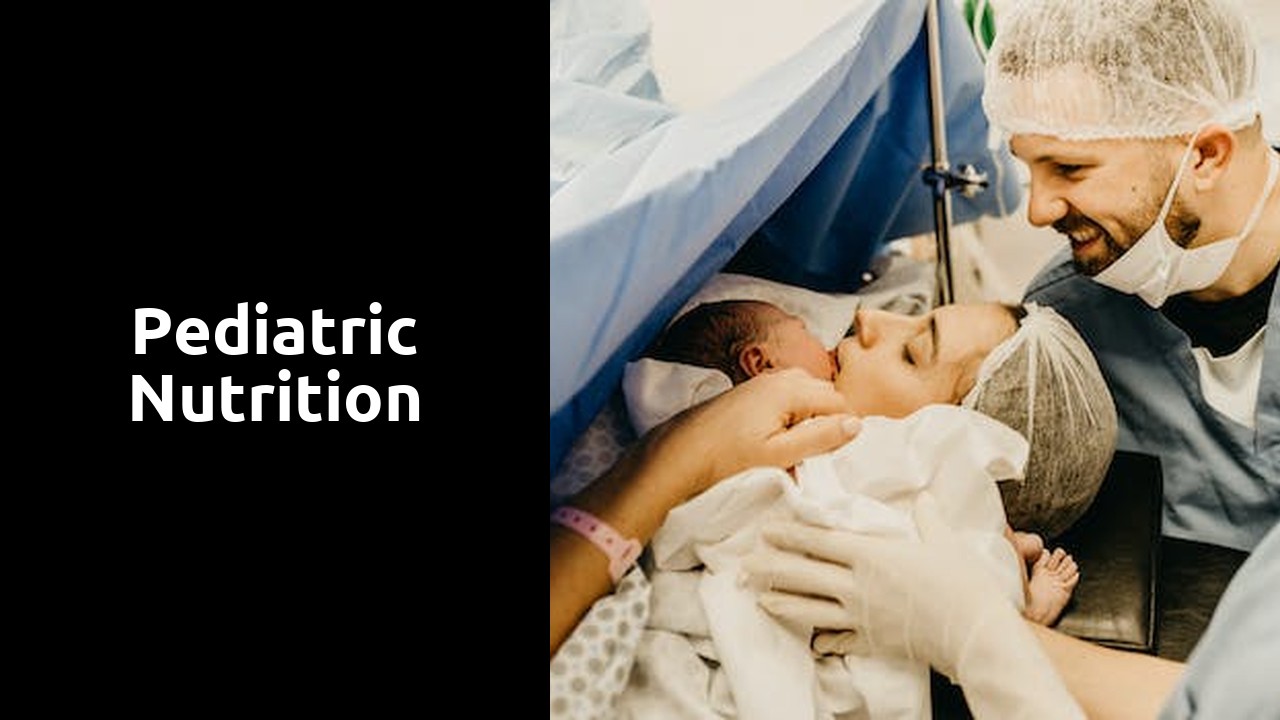
Pediatric Nutrition
Health Benefits of a Balanced Diet for Children
A balanced diet plays a crucial role in promoting the overall health and well-being of children. When children consume a variety of nutritious foods in appropriate portions, they receive the essential nutrients needed for growth and development. A balanced diet consisting of fruits, vegetables, whole grains, lean proteins, and low-fat dairy products provides a wide range of vitamins, minerals, antioxidants, and fiber that support various bodily functions.
One of the primary health benefits of a balanced diet is the prevention of chronic diseases. A diet rich in fruits and vegetables, for instance, can help reduce the risk of heart disease, obesity, type 2 diabetes, and certain types of cancer. Additionally, a balanced diet supports healthy bones and teeth, boosts the immune system, enhances brain function, and improves concentration and academic performance. Moreover, children who consume a balanced diet tend to have higher energy levels, better sleep patterns, and improved mood and emotional well-being. Overall, a balanced diet sets the foundation for a child's long-term health and sets them up for a lifetime of healthy eating habits.
Common Nutritional Deficiencies in Children
Iron deficiency is one of the most common nutritional deficiencies in children. It occurs when the body doesn't have enough iron to produce sufficient amounts of hemoglobin, a protein that carries oxygen to the body's tissues. Children who are iron deficient may experience fatigue, weakness, and difficulty concentrating. In severe cases, iron deficiency can lead to anemia, a condition that can significantly impact a child's growth and development. To prevent iron deficiency, it is important to include iron-rich foods such as lean meats, beans, and fortified cereals in a child's diet.
Another common nutritional deficiency in children is vitamin D deficiency. Vitamin D is essential for the body to absorb calcium, which is crucial for strong bones and teeth. A lack of vitamin D can lead to weak and brittle bones, a condition known as rickets. Children who have limited sun exposure, dark skin, or follow a strict vegan diet are at a higher risk of vitamin D deficiency. To prevent this deficiency, it is recommended to provide children with vitamin D through dietary sources such as fortified milk or through supplements if necessary.
The Role of Vitamins and Minerals in Children's Growth
Ensuring that children receive adequate vitamins and minerals is essential for their growth and development. These nutrients play a crucial role in various bodily functions, from maintaining healthy bones and teeth to supporting a strong immune system. Vitamins like vitamin A, vitamin C, and vitamin D are particularly important for children's growth as they contribute to bone development, collagen production, and calcium absorption. Minerals such as calcium, iron, and zinc are also vital for children's growth, as they support bone health, aid in oxygen transport throughout the body, and assist in immune function.
A balanced diet that includes a variety of fruits, vegetables, whole grains, dairy products, and lean proteins can help ensure that children receive the necessary vitamins and minerals for optimal growth. However, it is important to note that some children may have higher nutrient needs due to growth spurts or individual circumstances. In such cases, healthcare professionals may recommend vitamin and mineral supplements to bridge any nutritional gaps and support healthy growth. It is crucial to consult with a healthcare provider before starting any supplementation to ensure proper dosage and appropriateness for a child's specific needs.
Healthy Snack Ideas for Growing Kids
When it comes to healthy snack ideas for growing kids, it's important to strike a balance between providing tasty options and ensuring they are getting the necessary nutrients. One great snack idea is to offer a variety of fruits and vegetables. Not only are they rich in vitamins and minerals, but they also provide fiber, which aids in digestion and promotes a feeling of fullness. Sliced apples, baby carrots, and cherry tomatoes are all convenient options that can be easily packed in a snack box or enjoyed on-the-go.
Another healthy snack idea for growing kids is to incorporate protein-rich foods into their diet. Protein is essential for muscle development and growth, as well as providing a source of energy. Some great protein-rich snacks include yogurt, string cheese, and boiled eggs. These snacks can be combined with whole grain crackers or sliced cucumber for added texture and flavor. By offering a mix of fruits, vegetables, and protein-rich foods as snacks, parents can ensure that their children are getting the necessary nutrients to support their growth and development.
How to Encourage Healthy Eating Habits in Children
Getting children to eat a variety of healthy foods can sometimes be a challenging task. However, there are some strategies that parents can employ to encourage their children to develop healthy eating habits. Firstly, it is important to lead by example. Children are more likely to try new foods and make healthier choices if they see their parents doing the same. Therefore, parents should try to eat a balanced diet themselves and demonstrate enthusiasm for healthy foods. In addition, involving children in meal planning and preparation can be an effective way to get them excited about eating nutritious meals. Allowing them to choose fruits and vegetables at the grocery store or helping them to prepare simple dishes can make them more invested in healthy eating.
Another way to encourage healthy eating habits in children is to make mealtime a positive and enjoyable experience. Creating a pleasant and relaxed atmosphere during meals can help children associate eating with positive emotions. Parents can achieve this by setting regular meal times, sitting down together as a family, and engaging in pleasant conversations. Additionally, avoiding using food as a reward or punishment can help children develop a healthy relationship with food. Instead of offering sweets or treats as a reward, parents can find other ways to acknowledge their child's accomplishments or good behavior. By making mealtime enjoyable and free from pressure, children are more likely to have a positive attitude towards food and develop healthy eating habits.
The Importance of Breastfeeding and Formula Feeding
Breastfeeding and formula feeding play a crucial role in a child's early development and overall health. Breast milk, often referred to as "liquid gold," is packed with essential nutrients and antibodies that help protect infants from infections and diseases. It provides all the necessary nutrients in the right proportion for their growth and development. Breast milk is easily digestible, reducing the risk of digestive problems such as constipation or diarrhea. Furthermore, the act of breastfeeding promotes bonding between mother and child, establishing a strong emotional connection that benefits both parties.
On the other hand, formula feeding can also provide the necessary nutrients for a child's growth when breastfeeding is not possible. Formula milk is designed to mimic the composition of breast milk, containing essential vitamins, minerals, fats, and proteins necessary for a healthy development. While it may not offer the same benefits as breastfeeding, formula feeding can still be a safe and viable option for many families. It allows parents to have more flexibility and ensures that their little ones are getting the nutrition they need, even when breastfeeding is not an option.
In conclusion, whether through breastfeeding or formula feeding, providing the proper nutrition is vital for a child's growth and development. Both methods have their own unique advantages and can provide the necessary nutrients for a healthy start in life. The choice between breastfeeding and formula feeding should ultimately be based on what works best for both the mother and the child, and both options should be supported and respected.
Served areas in New York:
YonkersWhite Plains
New Rochelle
Mount Vernon
Scarsdale
Bronxville
Pelham
Larchmont
Rye
Mamaroneck
Harrison
Port Chester
Eastchester
Tuckahoe
Sleepy Hollow
Irvington
Dobbs Ferry
Ardsley
Hastings-on-Hudson
Elmsford
Briarcliff Manor
Ossining
Croton-on-Hudson
Peekskill
Yorktown Heights
Cortlandt Manor
Mount Kisco
Chappaqua
Pleasantville
Hawthorne
Valhalla
Thornwood
North Castle
Armonk
Served areas in New Jersey:
Jersey CityNewark
Paterson
Elizabeth
Edison
Woodbridge
Lakewood
Toms River
Hamilton
Trenton
Clifton
Camden
Cherry Hill
Passaic
Union City
Bayonne
Old Bridge
Middletown
Franklin Township
Irvington
Wayne
Parsippany-Troy Hills
Howell
Perth Amboy
Hoboken
Plainfield
West New York
Hackensack
Sayreville
Vineland
East Brunswick
North Bergen
New Brunswick
Jackson
Wayne
Union
Bloomfield
Bridgewater
Evesham
South Brunswick
Egg Harbor
Hillsborough
Gloucester Township
North Brunswick
Mount Laurel
Kearny
Linden
Teaneck
Winslow
Cherry Hill
Manalapan
Rockaway
Westfield
Hoboken
Hackensack
Sayreville
Lindenwold
Atlantic City
Montclair
Belleville
Pennsauken
Ewing
Fort Lee
Willingboro
Long Branch
Garfield