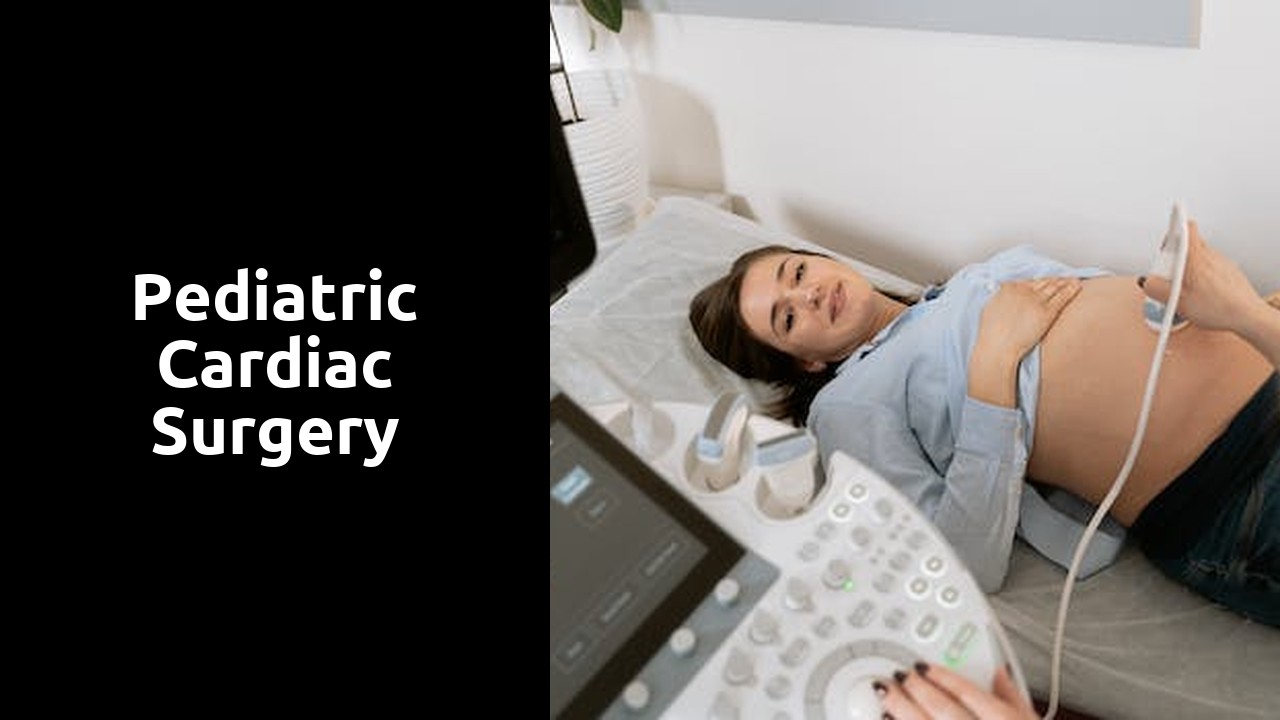
Pediatric Cardiac Surgery
Understanding the Complexity of Heart Defects in Children
Heart defects in children can be incredibly complex, often requiring a multidisciplinary approach to diagnosis and treatment. These conditions can range from simple abnormalities that may not require immediate intervention, to severe and life-threatening malformations that demand urgent surgical intervention. The complexity of these defects stems from the intricate development of the heart during fetal development, where even the smallest disruption can have significant consequences for the child's overall health and well-being.
In some cases, heart defects are evident at birth and can be detected through physical examination or diagnostic tests. However, it is not uncommon for certain defects to only become apparent months or even years after birth. This delay in diagnosis can further add to the complexity of the condition, as symptoms may be initially misattributed to other underlying issues. Additionally, certain heart defects can coexist with other medical conditions or syndromes, further complicating the overall picture and necessitating careful assessment and management by a team of specialists.
Understanding the complexity of heart defects in children requires a thorough evaluation of the structural and functional abnormalities present in the heart. This can involve a range of diagnostic procedures, including echocardiography, cardiac catheterization, and imaging studies such as magnetic resonance imaging (MRI) or computed tomography (CT) scans. These tests help identify the specific nature of the defect, its severity, and its impact on the child's cardiac function. Furthermore, they assist in determining the most suitable course of treatment, whether it be through medication, intervention, or surgical repair.
Overall, comprehending the intricacies of heart defects in children necessitates a comprehensive approach that considers the wide array of factors that contribute to the condition's complexity. From accurate diagnosis to appropriate treatment planning, it is crucial for healthcare professionals to work collaboratively to ensure the best possible outcomes for these young patients. By recognizing the diverse manifestations and challenges associated with pediatric heart defects, medical teams can provide optimal care and support to children and their families as they navigate this complex journey.
The Role of Pediatric Cardiac Surgeons in Saving Lives
Pediatric cardiac surgeons play a crucial role in saving the lives of children with congenital heart defects. These skilled and dedicated professionals are trained to perform intricate surgical procedures on young patients, with the aim of correcting or alleviating the defects in their hearts. Their expertise and specialized knowledge make them an integral part of the multidisciplinary team that is involved in the care of pediatric heart patients.
The role of pediatric cardiac surgeons extends beyond the operating room. They are involved in the entire process of caring for these young patients, from the initial diagnosis to the post-operative recovery and long-term follow-up. They work closely with pediatric cardiologists, anesthesiologists, and other healthcare professionals to ensure a comprehensive and coordinated approach to the treatment. Their meticulous planning and precise execution of surgical interventions have a direct impact on the outcomes and quality of life for these children, making them true heroes in the field of pediatric cardiology.
Exploring the Different Types of Congenital Heart Defects
Congenital heart defects are a complex and diverse group of conditions that affect the structure and function of the heart. These defects occur during fetal development when the heart is forming, leading to abnormalities in the heart's chambers, valves, or blood vessels. There are several different types of congenital heart defects, each with its own unique characteristics and potential complications.
One common type of congenital heart defect is atrial septal defect (ASD), which refers to a hole in the wall that separates the two upper chambers of the heart. This hole allows oxygen-rich blood from the left atrium to mix with oxygen-poor blood from the right atrium, putting strain on the heart and reducing its efficiency. Another type is ventricular septal defect (VSD), where there is a hole in the wall that separates the two lower chambers of the heart. This defect allows oxygenated and deoxygenated blood to mix, causing the heart to work harder to pump blood to the body. Other types of congenital heart defects include patent ductus arteriosus (PDA), tetralogy of Fallot, and coarctation of the aorta, just to name a few.
An In-depth Look at the Diagnostic Process for Pediatric Heart Conditions
The diagnostic process for pediatric heart conditions is a crucial step in accurately identifying and understanding the complexity of these defects. It involves a comprehensive evaluation that includes a range of medical tests and assessments. One of the primary tools used in diagnosing heart conditions in children is echocardiography. This non-invasive procedure uses sound waves to create images of the heart, allowing doctors to observe its structure and function. Additionally, other tests such as electrocardiograms (ECGs) and cardiac catheterizations may be used to gather further information about the heart's electrical activity and blood flow.
Another essential component of the diagnostic process is the collaboration among various medical professionals, including pediatric cardiologists, pediatric cardiac surgeons, and pediatric cardiac nurses. These specialists work together to review the results of the diagnostic tests and combine their expertise to formulate an accurate diagnosis. It is crucial to involve these professionals as their specialized knowledge and experience in pediatric heart conditions can significantly contribute to the diagnostic process. By meticulously examining the diagnostic findings, these experts can determine the specific type of congenital heart defect present in the child and develop an appropriate treatment plan based on their individual needs.
Surgical Techniques and Innovations in Pediatric Cardiac Surgery
Pediatric cardiac surgery has witnessed remarkable advancements in surgical techniques and innovations over the years. One of the most significant developments in this field is the advent of minimally invasive procedures. These procedures involve smaller incisions, resulting in reduced trauma and quicker recovery times for young patients. In addition to minimizing the physical impact on the child's body, minimally invasive techniques also offer improved cosmetic outcomes. This means that children can undergo life-saving surgery without compromising their self-esteem and body image as they grow older. The use of robotic-assisted surgery has also shown promise in pediatric cardiac surgery, allowing surgeons enhanced precision and control during complex procedures.
Another area of innovation in pediatric cardiac surgery is the evolution of congenital heart defect repairs. Traditional open-heart surgeries have been the gold standard for many years, but recent years have seen the emergence of cutting-edge techniques such as hybrid procedures. These procedures combine elements of non-surgical interventions, like catheter-based interventions, and traditional surgery. By taking a more individualized approach to each patient's condition, hybrid procedures allow for customized treatment plans that optimize outcomes. Furthermore, advances in 3D printing technology have enabled surgeons to create patient-specific models of the heart, facilitating surgical planning and improving surgical outcomes. With the continuous advancement of surgical techniques and innovative approaches, pediatric cardiac surgeons are paving the way for better outcomes and improved quality of life for their young patients.
The Importance of Timely Intervention for Pediatric Heart Patients
There is no denying the critical importance of timely intervention for pediatric heart patients. When it comes to heart defects in children, time is of the essence. The sooner a heart condition is diagnosed and treated, the better the outcomes are likely to be. Timely intervention not only improves the chances of survival but also plays a crucial role in preventing long-term complications and improving a child's quality of life.
Early intervention can help address a wide range of pediatric heart conditions, from structural abnormalities to congenital defects. It allows healthcare professionals to implement appropriate treatment strategies promptly, such as medication, catheter-based interventions, or surgical procedures. By identifying and intervening promptly, medical professionals can prevent further damage and potentially avoid more invasive and complex interventions in the future. Additionally, timely intervention also provides an opportunity for ongoing monitoring and follow-up care, ensuring that any potential issues are addressed promptly throughout a child's developmental years.
Served areas in New York:
YonkersWhite Plains
New Rochelle
Mount Vernon
Scarsdale
Bronxville
Pelham
Larchmont
Rye
Mamaroneck
Harrison
Port Chester
Eastchester
Tuckahoe
Sleepy Hollow
Irvington
Dobbs Ferry
Ardsley
Hastings-on-Hudson
Elmsford
Briarcliff Manor
Ossining
Croton-on-Hudson
Peekskill
Yorktown Heights
Cortlandt Manor
Mount Kisco
Chappaqua
Pleasantville
Hawthorne
Valhalla
Thornwood
North Castle
Armonk
Served areas in New Jersey:
Jersey CityNewark
Paterson
Elizabeth
Edison
Woodbridge
Lakewood
Toms River
Hamilton
Trenton
Clifton
Camden
Cherry Hill
Passaic
Union City
Bayonne
Old Bridge
Middletown
Franklin Township
Irvington
Wayne
Parsippany-Troy Hills
Howell
Perth Amboy
Hoboken
Plainfield
West New York
Hackensack
Sayreville
Vineland
East Brunswick
North Bergen
New Brunswick
Jackson
Wayne
Union
Bloomfield
Bridgewater
Evesham
South Brunswick
Egg Harbor
Hillsborough
Gloucester Township
North Brunswick
Mount Laurel
Kearny
Linden
Teaneck
Winslow
Cherry Hill
Manalapan
Rockaway
Westfield
Hoboken
Hackensack
Sayreville
Lindenwold
Atlantic City
Montclair
Belleville
Pennsauken
Ewing
Fort Lee
Willingboro
Long Branch
Garfield