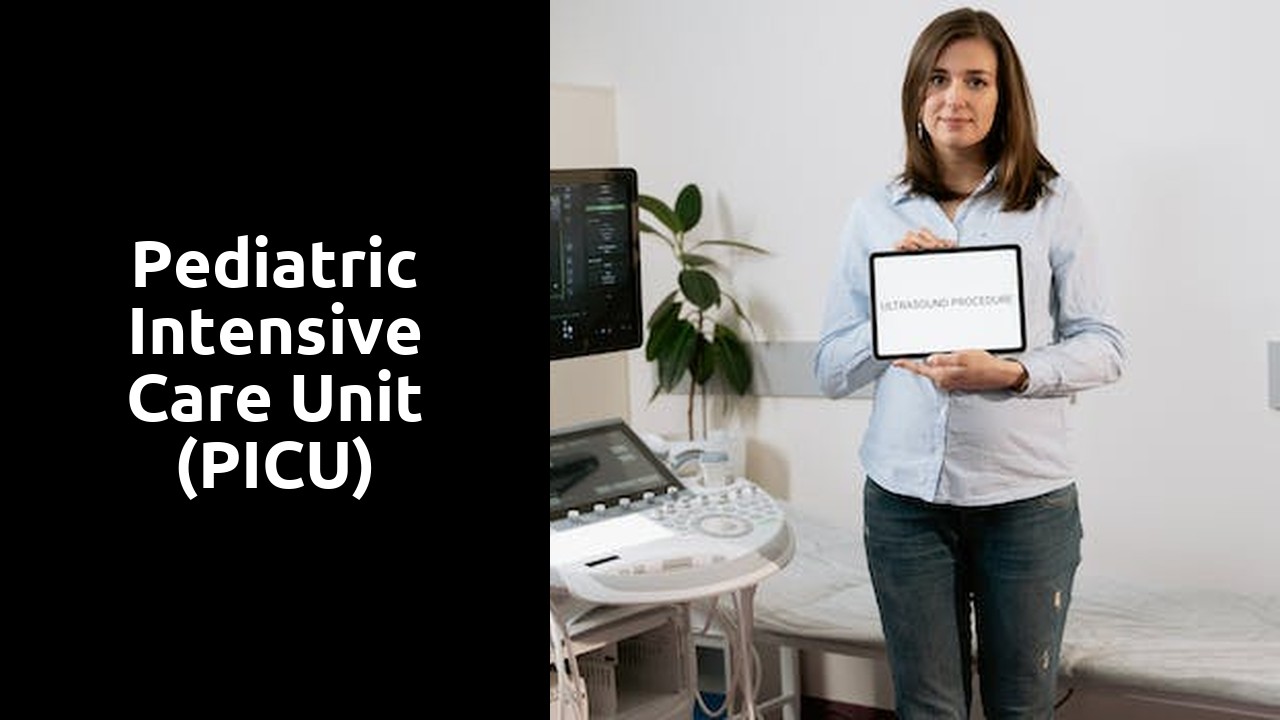
Pediatric Intensive Care Unit (PICU)
Understanding Critical Care for Children
Pediatric critical care refers to the specialized medical attention given to children in critical condition. Critical care is crucial for children who are facing life-threatening illnesses or injuries that require intensive monitoring and treatment. This specialty focuses on providing immediate and continuous care to stabilize and support children in unstable conditions. The goal is to prevent further deterioration, alleviate symptoms, and promote recovery.
Children in critical care often require specialized interventions and close monitoring due to the unique needs and vulnerabilities of their developing bodies. The pediatric critical care team, which typically includes doctors, nurses, respiratory therapists, and other healthcare professionals, work together to deliver comprehensive care. They closely monitor vital signs, assess responses to treatment, and make adjustments as needed. This interdisciplinary approach ensures that children receive the best possible care, tailored to their specific needs and medical conditions.
Common Conditions and Illnesses Treated in the Pediatric Intensive Care Unit
The Pediatric Intensive Care Unit (PICU) is designed to provide specialized care for children with a variety of conditions and illnesses. One common condition treated in the PICU is respiratory distress. This can be caused by severe asthma, pneumonia, or other respiratory infections. Children in respiratory distress often require intubation and mechanical ventilation to help support their breathing. The PICU team closely monitors their oxygen levels and respiratory status to ensure proper treatment and management.
Another common condition seen in the PICU is sepsis. Sepsis occurs when an infection spreads throughout the body, leading to widespread inflammation and organ dysfunction. Children with sepsis require close monitoring of their vital signs, lab values, and antibiotic therapy. The PICU team works diligently to provide aggressive treatment to stabilize the child's condition and prevent further complications. Additionally, traumatic injuries such as severe head trauma, burns, or major surgeries may also require care in the PICU. The specialized equipment and expertise available in the unit allow for prompt intervention and monitoring to optimize the child's recovery.
The Role of PICU Nurses and Doctors in Providing Specialized Care
PICU nurses and doctors play a vital role in providing specialized care for children in the pediatric intensive care unit. These healthcare professionals are highly trained and skilled in managing critically ill and injured children, ensuring their safety and well-being throughout their stay in the PICU.
Nurses in the PICU perform a wide range of tasks and responsibilities. They closely monitor and assess the child's condition, administer medications, and provide direct care, such as changing dressings or assisting with mobility. Additionally, they collaborate with other healthcare team members to develop and implement an individualized care plan for each patient. Their expertise in pediatric care allows them to anticipate and address any changes in the child's condition promptly. Doctors, on the other hand, are responsible for diagnosing and treating the child's medical conditions. They lead the medical team, oversee the child's care plan, and make essential decisions regarding treatments and interventions. Through their specialized knowledge and skills, doctors provide critical medical interventions and guide the overall management of the child's condition in the PICU.
Advanced Technologies and Treatments in the PICU
With the advancement of medical technology, the pediatric intensive care unit (PICU) is equipped with various state-of-the-art technologies and treatments to ensure the best possible care for critically ill children. One such technology is the use of mechanical ventilators, which help support the child's breathing and oxygenation. These machines are equipped with settings that can be customized to suit the specific needs of each patient. By closely monitoring the child's oxygen levels and respiratory function, the medical team can make necessary adjustments to ensure optimal ventilation.
Another advanced technology commonly found in the PICU is bedside monitoring systems. These devices continuously monitor vital signs such as heart rate, blood pressure, and oxygen saturation levels. The information gathered from these monitors is critical in detecting any changes or abnormalities in a child's condition. Additionally, the availability of real-time data enables the healthcare team to promptly intervene and provide appropriate treatments or interventions as needed.
In addition to advanced technologies, the PICU also offers a range of cutting-edge treatments to manage various conditions. For example, extracorporeal membrane oxygenation (ECMO) is a specialized treatment that bypasses the heart and lungs, providing support to children with severe cardiac or respiratory failure. This technique allows these vital organs to rest and heal while the machine does the necessary work. Another treatment commonly used in the PICU is continuous renal replacement therapy (CRRT), which is used to support kidney function in children with kidney failure. By using specialized filters, CRRT helps remove waste products and excess fluid from the bloodstream, promoting better overall health and wellbeing for the child.
Emotional Support for Families in the PICU
The emotional wellbeing of families in the pediatric intensive care unit (PICU) is a critical aspect of their overall care. The highly stressful environment, along with the uncertainty and fear surrounding their child's condition, can take a toll on their mental and emotional health. Recognizing this, healthcare providers in the PICU aim to provide necessary emotional support to families during their stay.
One way this is achieved is through open and ongoing communication. PICU staff make it a priority to keep families informed about their child's condition, treatment plans, and progress. They take the time to explain medical terminology in a way that is easily understandable, ensuring that families are active participants in their child's care. This transparent communication helps alleviate anxiety and allows families to feel more confident and reassured in their decision-making. Additionally, attentive and empathetic listening plays a significant role in providing emotional support to families. Healthcare providers in the PICU lend a compassionate ear to families' concerns, worries, and fears, acknowledging the immense emotional burden they are carrying. This empathetic approach helps families feel validated, acknowledged, and supported during their challenging journey in the PICU.
The Importance of Multidisciplinary Collaboration in Pediatric Critical Care
Healthcare professionals in the pediatric critical care setting often face complex and challenging cases that require a multidisciplinary approach. The importance of multidisciplinary collaboration in pediatric critical care cannot be emphasized enough. This teamwork involves healthcare providers from various specialties, such as pediatricians, nurses, respiratory therapists, pharmacists, and social workers, among others, working together to ensure the comprehensive and holistic care of critically ill children.
One of the primary benefits of multidisciplinary collaboration is the ability to gather different perspectives and expertise. Each healthcare professional brings their unique knowledge and skills to the table, allowing for a more comprehensive assessment and treatment plan. For example, pediatricians provide medical management, nurses implement and monitor treatments, respiratory therapists optimize oxygenation, and social workers address the emotional and psychosocial needs of both the child and their family. By pooling their knowledge and working collectively, healthcare professionals can develop individualized care plans that address the complex needs of critically ill children in a more effective and efficient manner.
Furthermore, multidisciplinary collaboration promotes effective communication and coordination among the healthcare team. Through regular meetings, discussions, and shared decision-making, healthcare professionals can ensure that everyone is on the same page regarding the patient's condition, progress, and treatment goals. This clear and open communication fosters collaboration, reduces the risk of errors or misunderstandings, and ultimately leads to better patient outcomes. With everyone working towards a common goal, the care provided to critically ill children is optimized, ensuring the best possible chance for recovery and improved quality of life.
Served areas in New York:
YonkersWhite Plains
New Rochelle
Mount Vernon
Scarsdale
Bronxville
Pelham
Larchmont
Rye
Mamaroneck
Harrison
Port Chester
Eastchester
Tuckahoe
Sleepy Hollow
Irvington
Dobbs Ferry
Ardsley
Hastings-on-Hudson
Elmsford
Briarcliff Manor
Ossining
Croton-on-Hudson
Peekskill
Yorktown Heights
Cortlandt Manor
Mount Kisco
Chappaqua
Pleasantville
Hawthorne
Valhalla
Thornwood
North Castle
Armonk
Served areas in New Jersey:
Jersey CityNewark
Paterson
Elizabeth
Edison
Woodbridge
Lakewood
Toms River
Hamilton
Trenton
Clifton
Camden
Cherry Hill
Passaic
Union City
Bayonne
Old Bridge
Middletown
Franklin Township
Irvington
Wayne
Parsippany-Troy Hills
Howell
Perth Amboy
Hoboken
Plainfield
West New York
Hackensack
Sayreville
Vineland
East Brunswick
North Bergen
New Brunswick
Jackson
Wayne
Union
Bloomfield
Bridgewater
Evesham
South Brunswick
Egg Harbor
Hillsborough
Gloucester Township
North Brunswick
Mount Laurel
Kearny
Linden
Teaneck
Winslow
Cherry Hill
Manalapan
Rockaway
Westfield
Hoboken
Hackensack
Sayreville
Lindenwold
Atlantic City
Montclair
Belleville
Pennsauken
Ewing
Fort Lee
Willingboro
Long Branch
Garfield