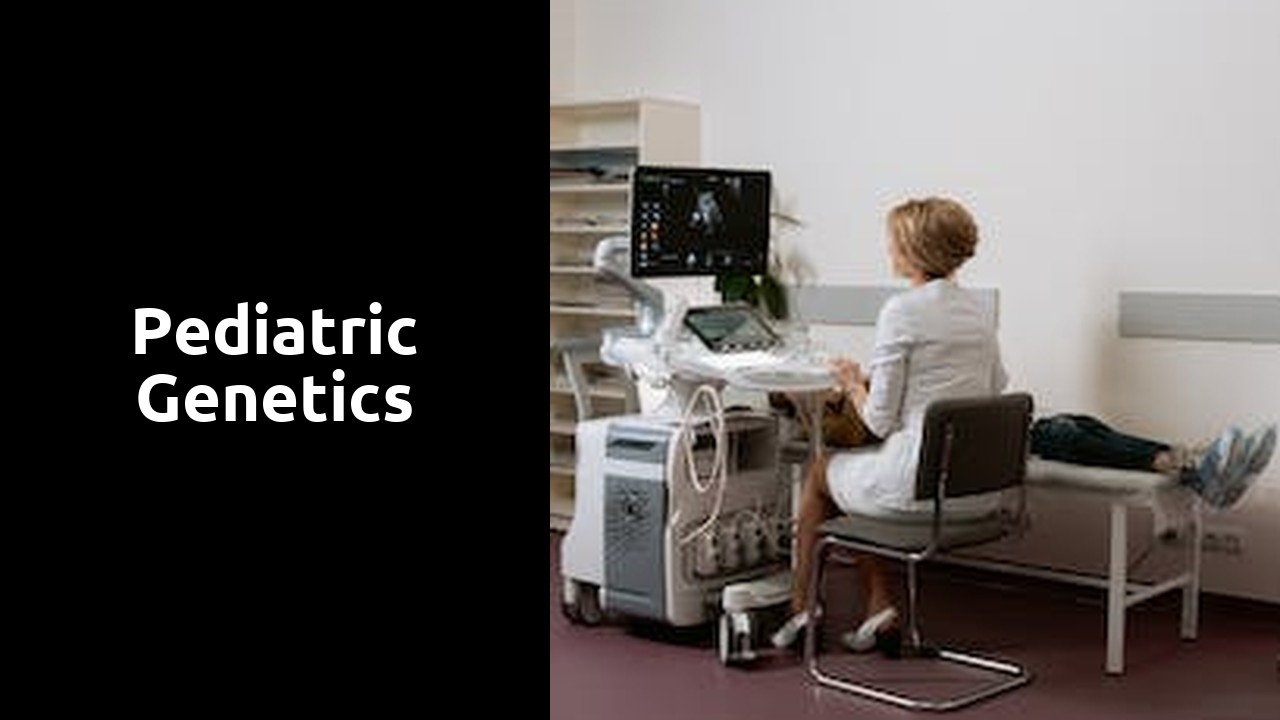
Pediatric Genetics
Understanding the Basics of Inherited Genetic Disorders in Children
Inherited genetic disorders in children are conditions that are passed down from one or both parents through their genes. These disorders are caused by mutations or changes in the genes, which are the basic building blocks of our bodies. Genes carry the instructions for how our bodies develop and function, and any alterations in these instructions can lead to a variety of health problems in children.
Understanding inherited genetic disorders is crucial for parents, caregivers, and healthcare professionals as it helps in early detection, diagnosis, and management of these conditions. Many inherited disorders have specific patterns of inheritance, which means they can be traced through family histories. It is essential to identify these patterns as it provides valuable information for genetic counseling, family planning, and identifying potential risk factors for future generations. Additionally, understanding the basics of inherited genetic disorders enables parents and caregivers to be proactive in seeking appropriate medical interventions and support for affected children.
The Role of Genetic Testing in Diagnosing Pediatric Conditions
Genetic testing plays a vital role in diagnosing pediatric conditions and has become an indispensable tool for healthcare providers. By examining a child's DNA, genetic testing can identify abnormalities or mutations that may be responsible for the child's symptoms or medical conditions. This allows for more accurate and targeted diagnosis, enabling doctors to develop personalized treatment plans and interventions.
One of the main advantages of genetic testing is its ability to provide early detection of genetic disorders in children. This can lead to better outcomes and improved quality of life for patients and their families. Additionally, genetic testing can help determine the likelihood of certain conditions being passed on to future generations, allowing families to make informed decisions about family planning and reproductive choices. As the field of genetic testing continues to advance, it holds immense potential for the early identification and prevention of pediatric conditions, ultimately improving the overall health and well-being of children around the world.
Common Genetic Disorders in Children and Their Symptoms
Genetic disorders are conditions that are caused by changes or mutations in a person's genes. These mutations can affect various aspects of a child's health and development. There are several common genetic disorders that can affect children, each with its distinctive set of symptoms.
One prevalent genetic disorder in children is Down syndrome, also known as trisomy 21. Individuals with Down syndrome typically have mild to moderate developmental delays, distinctive facial features such as almond-shaped eyes, and a higher risk of certain health conditions like heart defects and hearing loss. Another common genetic disorder is cystic fibrosis, a condition that affects the production of mucus, leading to problems with the respiratory and digestive systems. Individuals with cystic fibrosis often experience chronic lung infections, poor weight gain, and trouble digesting food properly.
Other common genetic disorders in children include sickle cell anemia, a blood disorder characterized by abnormal-shaped red blood cells, resulting in issues such as anemia, pain crises, and susceptibility to infections. Duchenne muscular dystrophy is another well-known genetic disorder that primarily affects boys, causing progressive muscle weakness and a loss of muscle mass over time. Additionally, there are genetic disorders such as fragile X syndrome, Turner syndrome, and Prader-Willi syndrome, each with its particular symptoms and impacts on a child's well-being.
Recognizing and understanding the symptoms associated with common genetic disorders in children is crucial for early diagnosis and management. It allows healthcare professionals and parents to provide appropriate care and support to children affected by these conditions. While these disorders may present challenges, advancements in medical research and genetic testing offer hope in developing better interventions and treatments to enhance the quality of life for these children and their families.
Exploring the Impact of Genetic Mutations on Childhood Development
Genetic mutations can have a profound impact on childhood development. These alterations in the DNA sequence can disrupt the normal functioning of genes, leading to a wide range of physical and cognitive effects. The specific impact of a genetic mutation on a child's development can vary depending on the gene affected and the nature of the mutation itself. Some mutations may result in noticeable physical abnormalities, while others may affect cognitive abilities or increase the risk of certain health conditions. Understanding the impact of these mutations is crucial for parents, healthcare providers, and researchers alike, as it can help guide early interventions and interventions to support affected children.
One area of childhood development that can be influenced by genetic mutations is neurodevelopment. Genetic mutations may disrupt the normal development and functioning of the brain, leading to cognitive impairments, learning disabilities, and behavioral challenges. For example, mutations in genes involved in brain development such as those associated with autism spectrum disorders (ASDs) can significantly impact a child's language and social skills. Similarly, mutations in genes involved in intellectual development can result in intellectual disability or developmental delay. By studying the impact of genetic mutations on neurodevelopment, researchers hope to gain insights into the underlying mechanisms of these conditions and develop targeted interventions to support affected children.
Genetic Counseling: Providing Guidance and Support for Families
Genetic counseling plays a crucial role in providing guidance and support for families facing genetic disorders in children. This specialized field of counseling helps families understand the underlying genetic factors contributing to their child's condition and provides them with the information they need to make informed decisions about their healthcare. These professionals work closely with families to review medical histories, assess risk factors, and explain the inheritance patterns associated with specific genetic disorders. By offering emotional support and individualized counseling sessions, genetic counselors help families navigate through the complexities of the diagnosis, treatment options, and long-term management of the condition.
Through genetic counseling, families are empowered with knowledge about their child's condition, enabling them to make informed decisions and choices that best align with their values and goals. This may involve discussing options for future pregnancies, such as preimplantation genetic testing or prenatal testing, which can help determine the likelihood of passing the genetic disorder onto future generations. Additionally, the guidance and support provided by genetic counselors extend beyond just the medical aspects, as they also help families cope with the emotional and psychological impact of the diagnosis. By fostering open and honest communication, genetic counselors create a safe space for families to express their concerns, fears, and hopes, allowing them to better navigate the challenges they may face on their journey.
Advances in Genetic Research: Promising Breakthroughs for Pediatric Conditions
Advances in genetic research have paved the way for promising breakthroughs in the field of pediatric conditions. Scientists and researchers are constantly striving to understand the complex genetic factors that contribute to various disorders affecting children. Through extensive studies and technological advancements, they are uncovering new insights that may lead to improved diagnostics, treatments, and ultimately, better patient outcomes.
One of the major areas of focus in genetic research is identifying the genetic mutations responsible for pediatric conditions. By studying the genetic makeup of affected individuals and their families, researchers can pinpoint specific genes that may be causing the disorder. This knowledge serves as a foundation for the development of targeted therapies and personalized treatment plans. Additionally, it provides vital information for families, allowing them to make informed decisions about their child’s health and potential risk factors for future generations.
Served areas in New York:
YonkersWhite Plains
New Rochelle
Mount Vernon
Scarsdale
Bronxville
Pelham
Larchmont
Rye
Mamaroneck
Harrison
Port Chester
Eastchester
Tuckahoe
Sleepy Hollow
Irvington
Dobbs Ferry
Ardsley
Hastings-on-Hudson
Elmsford
Briarcliff Manor
Ossining
Croton-on-Hudson
Peekskill
Yorktown Heights
Cortlandt Manor
Mount Kisco
Chappaqua
Pleasantville
Hawthorne
Valhalla
Thornwood
North Castle
Armonk
Served areas in New Jersey:
Jersey CityNewark
Paterson
Elizabeth
Edison
Woodbridge
Lakewood
Toms River
Hamilton
Trenton
Clifton
Camden
Cherry Hill
Passaic
Union City
Bayonne
Old Bridge
Middletown
Franklin Township
Irvington
Wayne
Parsippany-Troy Hills
Howell
Perth Amboy
Hoboken
Plainfield
West New York
Hackensack
Sayreville
Vineland
East Brunswick
North Bergen
New Brunswick
Jackson
Wayne
Union
Bloomfield
Bridgewater
Evesham
South Brunswick
Egg Harbor
Hillsborough
Gloucester Township
North Brunswick
Mount Laurel
Kearny
Linden
Teaneck
Winslow
Cherry Hill
Manalapan
Rockaway
Westfield
Hoboken
Hackensack
Sayreville
Lindenwold
Atlantic City
Montclair
Belleville
Pennsauken
Ewing
Fort Lee
Willingboro
Long Branch
Garfield