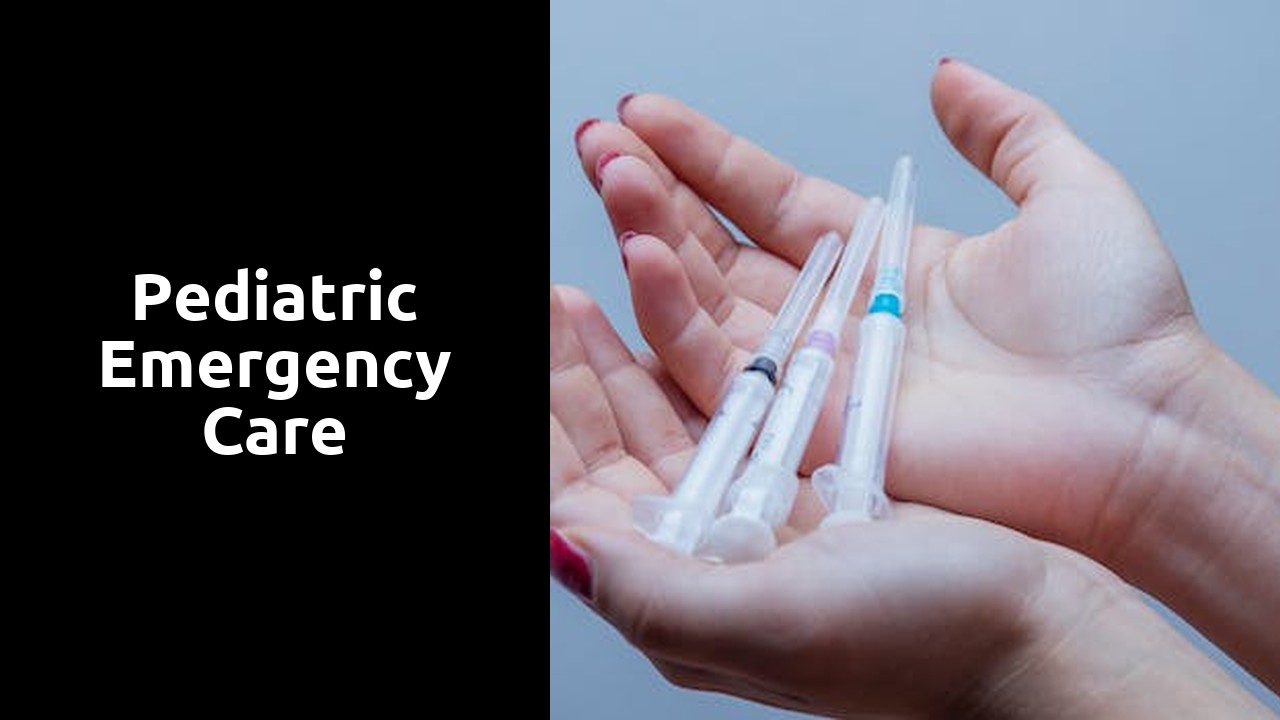
Pediatric Emergency Care
The hospital provides excellent pediatric emergency care services to ensure the well-being of children in need of immediate medical attention. Our dedicated team of highly skilled doctors, nurses, and support staff is trained and equipped to handle a wide range of pediatric emergencies with expertise and compassion. The hospital is equipped with state-of-the-art pediatric emergency facilities, including specialized pediatric intensive care units and emergency rooms that are designed to meet the unique and specific needs of our young patients. With round-the-clock availability, we offer prompt medical assessment, diagnosis, treatment, and follow-up care in a child-friendly and safe environment. Our goal is to provide efficient and effective emergency care while prioritizing the comfort and emotional well-being of both the child and their family.
Recognizing the Signs: Identifying Common Pediatric Emergencies
Pediatric emergencies can be frightening and unexpected, but being able to recognize the signs early on can greatly improve the outcome for a child in distress. One common pediatric emergency is a severe allergic reaction, also known as anaphylaxis. This can occur in response to an allergen such as food, insect bites, or medications. Signs of anaphylaxis can include difficulty breathing, swelling of the face or throat, hives or rash, and a rapid heartbeat. It is important to note that if a child is experiencing these symptoms, immediate medical attention is necessary to prevent further complications.
Another common pediatric emergency is a febrile seizure. These seizures are often triggered by a high fever and can be a terrifying experience for both the child and the caregiver. Symptoms of a febrile seizure can include sudden stiffening of the body, loss of consciousness, convulsions, and sometimes even vomiting. While these seizures are usually brief and do not cause any long-term harm, it is crucial to seek medical attention to determine the cause of the fever and prevent future seizures.
Essential First Aid for Children: Key Techniques Every Parent Should Know
When it comes to keeping our children safe, having a basic understanding of essential first aid techniques is crucial for every parent. Accidents can happen at any time, and being prepared to respond quickly and effectively can make a significant difference in the outcome of an emergency situation. One key technique that every parent should know is cardiopulmonary resuscitation (CPR). CPR is a life-saving procedure that can be performed on infants and children in the event of cardiac arrest or near-drowning incidents. Knowing how to perform CPR correctly can help maintain blood flow and oxygenation to vital organs until medical help arrives.
Another important technique is the Heimlich maneuver, which is used to dislodge an object obstructing a child's airway. Choking is a common emergency among children, especially those under the age of five who are prone to putting small objects in their mouths. By learning the proper technique for the Heimlich maneuver, parents can quickly and effectively clear an obstruction from their child's airway, potentially saving their life. It is essential to remember that first aid techniques for children may differ from those used for adults, so taking a first aid course specifically focused on pediatric care can provide parents with the knowledge and skills necessary to respond appropriately to childhood emergencies.
Understanding the Role of Triage in Pediatric Emergency Situations
Triage plays a crucial role in pediatric emergency situations by assessing and prioritizing patients based on the severity of their condition. This process helps medical professionals allocate resources effectively and provide timely care to those who need it the most. In essence, triage ensures that the most critical cases receive immediate attention, reducing morbidity and mortality rates in pediatric emergencies.
The primary goal of triage is to determine the order in which patients should be treated, with special emphasis on identifying and managing situations that pose an immediate threat to life or limb. This systematic approach involves rapid assessment and categorization of patients into different levels of urgency, usually referred to as triage categories. These categories typically include critical, urgent, semi-urgent, and non-urgent, allowing healthcare providers to prioritize care based on the severity of each patient's condition. By following a well-established triage protocol, medical teams can streamline the workflow in the chaotic environment of a pediatric emergency setting and ensure that resources are utilized in the most efficient manner possible.
Managing Respiratory Emergencies: From Asthma Attacks to Choking Incidents
Respiratory emergencies in children can be frightening and potentially life-threatening. Two common types of respiratory emergencies that parents may encounter are asthma attacks and choking incidents.
Asthma attacks can be triggered by various factors, such as allergens, physical activity, or exposure to irritants. During an asthma attack, a child may experience wheezing, coughing, shortness of breath, and chest tightness. It is essential for parents to be aware of their child's asthma triggers and have a plan in place to manage sudden attacks. This may include having quick-relief medications, such as an inhaler, readily available and knowing how to use it properly. In severe cases, emergency medical assistance may be required.
Choking incidents, on the other hand, occur when an object becomes lodged in a child's airway, obstructing their ability to breathe. This can happen when children put small objects in their mouths or when they eat food that is not properly chewed. If a child is choking, it is crucial to act quickly. The Heimlich maneuver, a technique used to dislodge objects from the airway, can be performed on children over the age of one. Parents should be familiar with how to apply this maneuver correctly. In case of severe choking or if the child becomes unconscious, contacting emergency services is vital.
Dealing with Sudden Illnesses: Recognizing and Responding to Fevers, Seizures, and Allergic Reactions
Recognizing and responding to sudden illnesses in children is of paramount importance for parents and caregivers. Fevers, seizures, and allergic reactions are some commonly encountered conditions that require prompt attention and appropriate action. Fevers, for instance, can be a sign of an underlying infection and can vary in intensity and duration. It is crucial to monitor the child's temperature regularly and seek medical advice if the fever persists or if the child's condition worsens. Alongside temperature monitoring, ensuring that the child remains well-hydrated and comfortable is essential in managing fevers at home.
Seizures, on the other hand, can be a frightening experience for both the child and those around them. It is crucial for parents and caregivers to remain calm and take quick action to ensure the child's safety during a seizure. Clearing the area of potential hazards, such as sharp objects or furniture, and gently easing the child onto a soft surface are important steps. Timing the seizure and noting any details, such as jerking movements or loss of consciousness, can provide valuable information for medical professionals when seeking appropriate treatment. While most seizures will resolve on their own, seeking medical help and guidance is still vital to address the underlying cause and to prevent future episodes.
Allergic reactions, whether mild or severe, can manifest in various ways, from skin rashes to difficulty breathing. Recognizing the signs and responding promptly is crucial in managing these situations effectively. Monitoring for symptoms such as hives, itching, swelling, or difficulty breathing is essential. In cases of mild allergic reactions, reassuring the child, giving them an antihistamine if advised by a healthcare professional, and keeping a close eye on symptoms can be sufficient. However, severe allergic reactions, known as anaphylaxis, demand immediate medical attention. Administering epinephrine, if available, and calling for emergency assistance can be life-saving measures in such situations.
By being vigilant and knowledgeable about recognizing and responding to sudden illnesses like fevers, seizures, and allergic reactions, parents and caregivers can ensure the well-being and safety of their children. Seeking medical advice and guidance is crucial when faced with these situations, as medical professionals can provide the necessary expertise and support in managing and treating these conditions effectively.
Trauma and Injury: Handling Fractures, Head Injuries, and Burns in Children
Children are often prone to accidents and injuries, including fractures, head injuries, and burns. When it comes to handling these traumas, it is crucial for caregivers and parents to remain calm and act swiftly. Fractures, for example, may occur as a result of falls, sports activities, or accidents. If a child complains of severe pain, swelling, or deformity in a limb, it is important to seek medical attention immediately. To provide temporary relief, caregivers can apply ice packs to reduce pain and swelling, and immobilize the affected limb using splints or firm materials such as magazines or rolled-up newspaper.
Head injuries, on the other hand, can range from minor bumps or bruises to more serious concussions or skull fractures. It is essential to monitor the child closely if they have experienced a head injury, as symptoms may not necessarily appear immediately. Signs of concern include persistent headaches, confusion, vomiting, loss of consciousness, or changes in behavior. If any of these symptoms occur, seeking immediate medical attention is crucial. In the meantime, caregivers should make sure the child is lying down and keep them calm, applying a cold compress to the head to reduce swelling.
Served areas in New York:
YonkersWhite Plains
New Rochelle
Mount Vernon
Scarsdale
Bronxville
Pelham
Larchmont
Rye
Mamaroneck
Harrison
Port Chester
Eastchester
Tuckahoe
Sleepy Hollow
Irvington
Dobbs Ferry
Ardsley
Hastings-on-Hudson
Elmsford
Briarcliff Manor
Ossining
Croton-on-Hudson
Peekskill
Yorktown Heights
Cortlandt Manor
Mount Kisco
Chappaqua
Pleasantville
Hawthorne
Valhalla
Thornwood
North Castle
Armonk
Served areas in New Jersey:
Jersey CityNewark
Paterson
Elizabeth
Edison
Woodbridge
Lakewood
Toms River
Hamilton
Trenton
Clifton
Camden
Cherry Hill
Passaic
Union City
Bayonne
Old Bridge
Middletown
Franklin Township
Irvington
Wayne
Parsippany-Troy Hills
Howell
Perth Amboy
Hoboken
Plainfield
West New York
Hackensack
Sayreville
Vineland
East Brunswick
North Bergen
New Brunswick
Jackson
Wayne
Union
Bloomfield
Bridgewater
Evesham
South Brunswick
Egg Harbor
Hillsborough
Gloucester Township
North Brunswick
Mount Laurel
Kearny
Linden
Teaneck
Winslow
Cherry Hill
Manalapan
Rockaway
Westfield
Hoboken
Hackensack
Sayreville
Lindenwold
Atlantic City
Montclair
Belleville
Pennsauken
Ewing
Fort Lee
Willingboro
Long Branch
Garfield