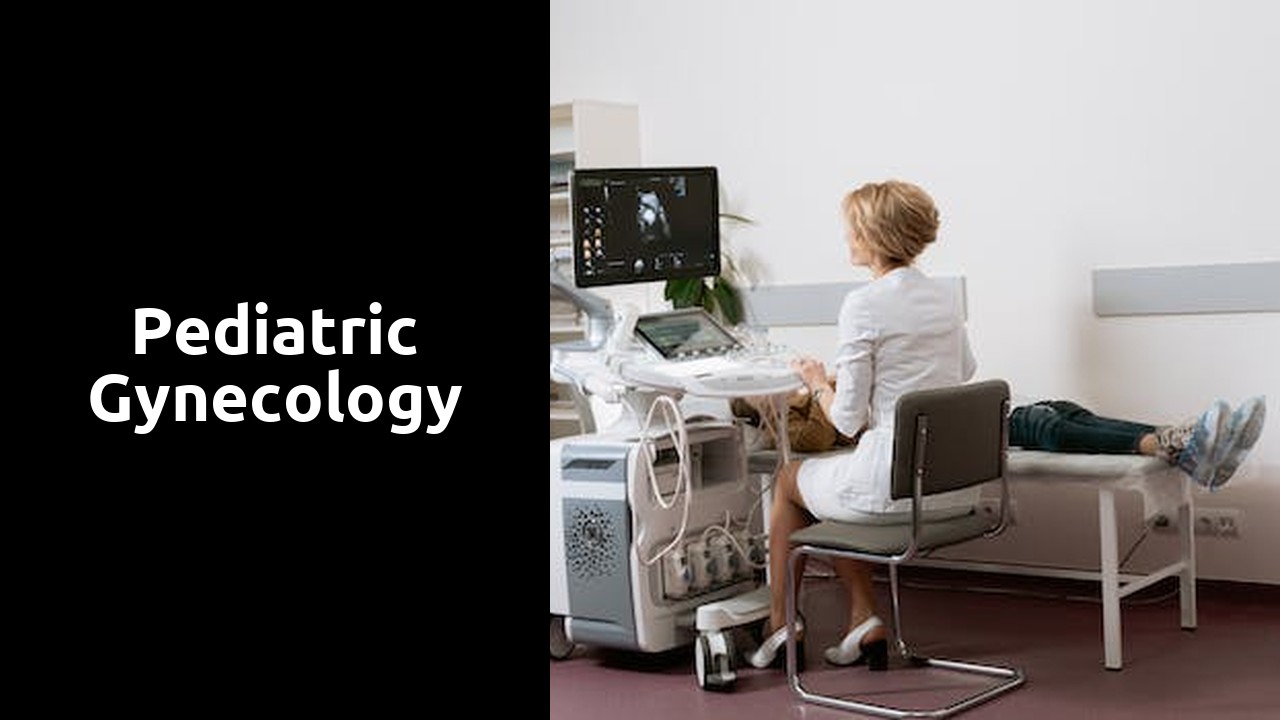
Pediatric Gynecology
Common Pediatric Gynecological Issues: Exploring the most prevalent gynecological concerns in young girls and adolescents.
Pelvic pain and abnormal bleeding are two of the most common gynecological concerns in young girls and adolescents. Pelvic pain can be caused by a variety of factors, including menstrual cramps, ovarian cysts, pelvic inflammatory disease, or endometriosis. It is important for healthcare providers to identify the underlying cause of pelvic pain in order to provide appropriate treatment and relieve discomfort. Similarly, abnormal bleeding, such as heavy or irregular periods, can have many causes, such as hormonal imbalances, polyps, or certain medical conditions. Recognizing and addressing these issues is crucial for promoting the overall well-being and reproductive health of young girls and adolescents.
Another prevalent gynecological concern in young girls and adolescents is vulvovaginitis, which refers to inflammation of the vulva and vagina. This condition can cause symptoms such as itching, redness, and vaginal discharge. Vulvovaginitis can be caused by various factors, including poor hygiene, irritants, or an infection. Treatment typically involves practicing good hygiene, avoiding irritants, and if necessary, using antifungal or antibiotic medications. By addressing these common gynecological issues early on, healthcare providers can help young girls and adolescents maintain healthy reproductive systems and alleviate any discomfort or concerns they may have.
Understanding Puberty: How it impacts the reproductive health of girls and the key changes to expect.
Puberty is a natural and necessary process that girls experience as they transition from childhood to adulthood. It represents a period of significant hormonal and physical changes, primarily involving the development of secondary sexual characteristics and the maturation of the reproductive system. These changes are triggered by the release of hormones, mainly estrogen and progesterone, which stimulate the growth and development of the breasts, uterus, and ovaries. As a result, girls will notice the development of breast buds, the growth of pubic and underarm hair, and the onset of menstruation.
Alongside the physical changes, puberty also has a profound impact on the reproductive health of girls. The reproductive system becomes capable of producing and releasing eggs, initiating the potential for pregnancy. The commencement of menstruation indicates that a girl's body is prepared for reproduction, although it may take some time for the menstrual cycle to become regular and predictable. It is important for girls to understand these changes and be aware of their reproductive health needs, including practicing good hygiene and seeking medical advice if they experience any abnormalities or concerns. Overall, understanding the impact of puberty on reproductive health is crucial for girls as they navigate this transformative stage of their lives.
Menstrual Disorders in Adolescents: An overview of common menstrual problems experienced by teenage girls.
Menstrual disorders can be a common occurrence among teenage girls and can significantly impact their quality of life. One of the most prevalent disorders is dysmenorrhea, which refers to painful periods. This condition can cause severe lower abdominal cramps, back pain, and even headaches. The pain experienced by girls with dysmenorrhea can be debilitating and may interfere with their daily activities and school attendance. It is important for healthcare providers to identify and address the underlying causes of dysmenorrhea to provide effective management options for these young girls.
Another menstrual disorder commonly seen in adolescents is abnormal uterine bleeding. This condition refers to any irregularities in the menstrual cycle, such as heavy or prolonged bleeding, frequent spotting between periods, or cycles that are too short or too long. These irregularities can be distressing for young girls and may have various underlying causes, including hormonal imbalances, polyps, or even certain medical conditions. Timely intervention and appropriate medical management can help alleviate the distress and discomfort associated with abnormal uterine bleeding in teenage girls.
Addressing Painful Periods: Exploring the causes and possible treatments for dysmenorrhea in young girls.
Painful periods, also known as dysmenorrhea, can significantly impact the daily lives of young girls. The most common cause of dysmenorrhea is the production of excessive prostaglandins, hormone-like substances that cause the uterus to contract. These contractions can lead to intense cramping and sharp, throbbing pain in the lower abdomen. Other factors that can contribute to painful periods include uterine abnormalities, such as fibroids or polyps, as well as endometriosis, a condition where the tissue that normally lines the uterus grows outside of it.
Fortunately, there are various treatments available to help alleviate the discomfort caused by dysmenorrhea. Over-the-counter pain relievers, such as nonsteroidal anti-inflammatory drugs (NSAIDs), can be effective in reducing both the intensity and duration of menstrual cramps. Applying a heating pad or taking a warm bath can also provide relief by relaxing the uterine muscles. For severe cases, hormonal birth control methods, such as the pill or the patch, can be prescribed to help regulate the menstrual cycle and reduce the production of prostaglandins. Additionally, lifestyle changes such as regular exercise, maintaining a healthy diet, and managing stress levels can also contribute to overall well-being and minimize menstrual pain.
Adolescent Sexual Health: Discussing the importance of education, contraception, and preventing sexually transmitted infections.
Adolescent sexual health is a topic of utmost importance that requires open discussion and education. It is crucial for young girls and boys to receive comprehensive knowledge about their reproductive health, including information about contraception and preventing sexually transmitted infections (STIs).
Education on sexual health empowers adolescents to make informed decisions about their bodies and relationships. It equips them with the necessary tools to understand the potential risks associated with sexual activity and how to mitigate them. Through education, young girls and boys can learn about the importance of consent, healthy relationships, and the significance of practicing safe sex.
Contraception plays a vital role in preventing unintended pregnancies and the spread of STIs among adolescents. Access to various contraceptive methods, including condoms, birth control pills, or intrauterine devices (IUDs), allows young girls to make choices that align with their individual needs and preferences. By promoting contraceptive use, we can help empower young girls to take control of their sexual health and avoid potentially life-altering consequences.
Preventing STIs is equally important when discussing adolescent sexual health. Young girls must understand the potential risks associated with unsafe sexual practices and the ways in which these infections can be transmitted. Awareness campaigns, regular testing, and the use of condoms can all contribute to reducing the spread of STIs among sexually active adolescents.
Overall, prioritizing education, promoting contraception, and preventing STIs are crucial components of adolescent sexual health. By providing young girls with accurate information and access to resources, we can empower them to make informed choices, promote their overall well-being, and contribute to a healthier future generation.
Polycystic Ovary Syndrome (PCOS) in Teens: Recognizing the signs, symptoms, and management of PCOS in adolescent girls.
Polycystic Ovary Syndrome (PCOS) is a common endocrine disorder that affects adolescent girls. It is characterized by hormonal imbalances, ovarian dysfunction, and the formation of multiple small cysts on the ovaries. One of the key signs of PCOS in teens is irregular menstrual cycles. Girls with PCOS may experience infrequent periods or have prolonged and heavy bleeding. In some cases, they may also experience skipped periods altogether. This irregularity can be distressing for young girls and can impact their overall reproductive health.
Apart from irregular periods, PCOS in teens may also present with other symptoms such as acne, excessive facial and body hair growth (hirsutism), and weight gain. These physical changes can significantly impact a teenager's self-esteem and body image. Additionally, PCOS can also lead to long-term health complications, including insulin resistance, diabetes, and fertility issues. Therefore, it is essential to recognize the signs and symptoms of PCOS in adolescent girls to ensure early diagnosis and effective management of the condition.
Served areas in New York:
YonkersWhite Plains
New Rochelle
Mount Vernon
Scarsdale
Bronxville
Pelham
Larchmont
Rye
Mamaroneck
Harrison
Port Chester
Eastchester
Tuckahoe
Sleepy Hollow
Irvington
Dobbs Ferry
Ardsley
Hastings-on-Hudson
Elmsford
Briarcliff Manor
Ossining
Croton-on-Hudson
Peekskill
Yorktown Heights
Cortlandt Manor
Mount Kisco
Chappaqua
Pleasantville
Hawthorne
Valhalla
Thornwood
North Castle
Armonk
Served areas in New Jersey:
Jersey CityNewark
Paterson
Elizabeth
Edison
Woodbridge
Lakewood
Toms River
Hamilton
Trenton
Clifton
Camden
Cherry Hill
Passaic
Union City
Bayonne
Old Bridge
Middletown
Franklin Township
Irvington
Wayne
Parsippany-Troy Hills
Howell
Perth Amboy
Hoboken
Plainfield
West New York
Hackensack
Sayreville
Vineland
East Brunswick
North Bergen
New Brunswick
Jackson
Wayne
Union
Bloomfield
Bridgewater
Evesham
South Brunswick
Egg Harbor
Hillsborough
Gloucester Township
North Brunswick
Mount Laurel
Kearny
Linden
Teaneck
Winslow
Cherry Hill
Manalapan
Rockaway
Westfield
Hoboken
Hackensack
Sayreville
Lindenwold
Atlantic City
Montclair
Belleville
Pennsauken
Ewing
Fort Lee
Willingboro
Long Branch
Garfield