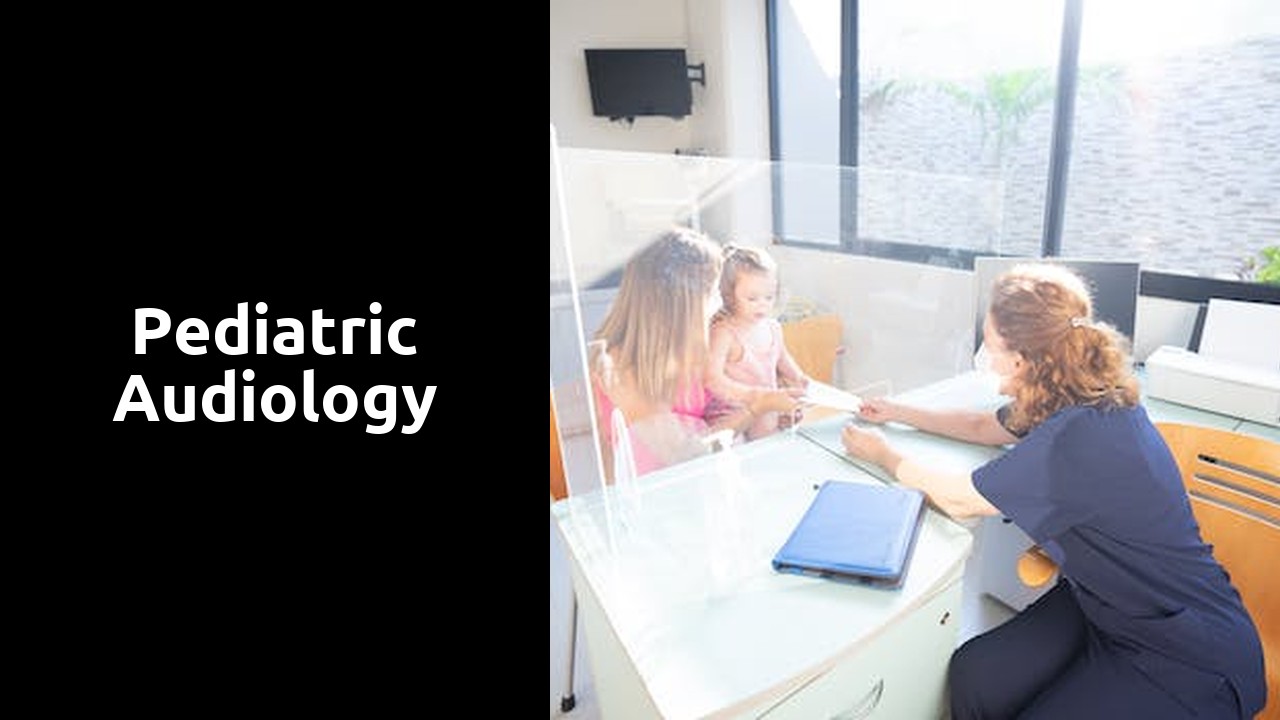
Pediatric Audiology
Understanding the Importance of Early Hearing Detection in Children
Newborn hearing screening programs have become a vital component of pediatric healthcare, aiming to identify hearing loss as early as possible. This early detection plays a crucial role in setting the stage for appropriate intervention and management. Research has shown that timely identification and management of hearing loss in children result in improved speech and language development, academic achievement, and social-emotional well-being.
Early hearing detection is essential because hearing loss can significantly impact a child's development in various ways. Hearing loss can hinder speech and language development, making it difficult for children to acquire age-appropriate communication skills. Furthermore, it can affect a child's social interactions, leading to feelings of isolation and frustration. Early intervention through hearing aids, cochlear implants, or other assistive listening devices can help mitigate these challenges and promote healthy development in children with hearing loss. By identifying hearing loss early, healthcare professionals can provide appropriate support and intervention strategies, giving children the best possible outcomes in terms of communication, education, and overall quality of life.
Common Hearing Disorders in Infants and Young Children
Hearing is a crucial sense that plays a significant role in a child's overall development. Unfortunately, there are various common hearing disorders that can affect infants and young children. One such disorder is congenital hearing loss, which refers to hearing loss that is present at birth. This can be caused by genetic factors, certain infections during pregnancy, or complications during childbirth. Congenital hearing loss can range from mild to profound and can impact a child's ability to develop speech and language skills.
Another common hearing disorder is otitis media, which is an infection or inflammation of the middle ear. This condition is particularly prevalent in young children due to their developing immune systems and the structure of their Eustachian tubes. Otitis media can cause temporary hearing loss and can be accompanied by symptoms such as ear pain, fever, and difficulty hearing. If left untreated, it can lead to delays in speech and language development. Early detection and appropriate treatment of common hearing disorders in infants and young children are vital to prevent long-term consequences and to ensure optimal development.
The Role of Audiologists in Assessing and Treating Pediatric Hearing Loss
Audiologists play a crucial role in assessing and treating pediatric hearing loss. They are highly trained professionals who specialize in the diagnosis and management of hearing disorders in children. When it comes to evaluating hearing loss in young patients, audiologists employ a variety of advanced tests and techniques to accurately assess the severity and type of hearing impairment. These include pure-tone audiometry, speech audiometry, and otoacoustic emissions testing.
Once a diagnosis has been made, audiologists collaborate closely with other healthcare professionals, such as pediatricians and speech-language pathologists, to develop a comprehensive treatment plan for the child. This plan may include the recommendation and fitting of hearing aids or other assistive listening devices, as well as counseling and therapy to help the child and their family navigate the challenges associated with hearing loss. Additionally, audiologists regularly monitor the child's progress, making adjustments to their treatment plan as needed to ensure optimal outcomes. Overall, the role of audiologists in assessing and treating pediatric hearing loss is vital in ensuring that children have access to appropriate interventions and resources to support their communication and development.
Diagnostic Tests and Techniques Used in Pediatric Audiology
Diagnostic tests and techniques used in pediatric audiology play a crucial role in identifying and assessing the hearing abilities and potential disorders in infants and young children. These tests are specifically designed to be age-appropriate, non-invasive, and reliable, ensuring accurate results without causing significant discomfort to the child.
One common diagnostic test used in pediatric audiology is the Otoacoustic Emissions (OAE) test. This test measures the sound waves generated by the inner ear in response to external stimuli. By analyzing these emissions, audiologists can determine if the child's cochlea is functioning properly. Additionally, the Auditory Brainstem Response (ABR) test is another important diagnostic tool. It measures the electrical activity of the auditory nerve and brainstem in response to sound, helping to evaluate the child's ability to perceive and process auditory information. These tests, along with other methods such as tympanometry and pure-tone audiometry, aid in the accurate assessment and diagnosis of hearing loss in pediatric patients.
The Impact of Hearing Loss on Speech and Language Development in Children
High-quality hearing is crucial for the proper development of speech and language skills in children. When a child experiences hearing loss, it can significantly impact their ability to communicate effectively. Speech development in children with hearing loss may be delayed or distorted, making it difficult for others to understand their spoken words. They may have trouble producing certain sounds or may struggle with pronouncing words accurately. This can lead to frustration and difficulties in social interactions, as the child may have trouble expressing their thoughts and feelings clearly.
In addition to speech development, hearing loss can also hinder a child's language development. Language skills encompass not only speaking, but also listening, understanding, and using words to express thoughts and ideas. When a child has hearing loss, they may have difficulty understanding and following instructions, as well as comprehending conversations and storylines. This can affect their ability to acquire new vocabulary and develop sentence structure. As a result, children with hearing loss may experience delays or difficulties in language development, which can impact their academic progress and overall communication abilities.
Strategies for Managing Hearing Loss in the Classroom and at Home
Teachers and family members play a crucial role in supporting children with hearing loss in both the classroom and at home. One effective strategy is to create a supportive environment that fosters good communication. In the classroom, teachers can use visual aids, such as pictures and gestures, to enhance understanding. They can also ensure that the child with hearing loss is seated in a location that allows for optimal hearing, such as near the front of the class or away from background noise. Additionally, teachers can provide written instructions and use technology, such as assistive listening devices or FM systems, to amplify sound and reduce background noise. These adjustments can greatly improve the child's ability to follow classroom discussions and actively participate in learning activities.
At home, family members can implement similar strategies to support the child's communication needs. By maintaining a quiet and well-lit environment during conversations, family members can ensure that the child with hearing loss can easily see facial expressions and lip movements. It is also important to face the child directly when speaking and to speak clearly and at a moderate pace. Additionally, family members can incorporate activities that promote listening and language development, such as reading books aloud or engaging in meaningful conversations. By providing a supportive and inclusive environment both in the classroom and at home, children with hearing loss can successfully navigate their educational journey and reach their full potential.
Served areas in New York:
YonkersWhite Plains
New Rochelle
Mount Vernon
Scarsdale
Bronxville
Pelham
Larchmont
Rye
Mamaroneck
Harrison
Port Chester
Eastchester
Tuckahoe
Sleepy Hollow
Irvington
Dobbs Ferry
Ardsley
Hastings-on-Hudson
Elmsford
Briarcliff Manor
Ossining
Croton-on-Hudson
Peekskill
Yorktown Heights
Cortlandt Manor
Mount Kisco
Chappaqua
Pleasantville
Hawthorne
Valhalla
Thornwood
North Castle
Armonk
Served areas in New Jersey:
Jersey CityNewark
Paterson
Elizabeth
Edison
Woodbridge
Lakewood
Toms River
Hamilton
Trenton
Clifton
Camden
Cherry Hill
Passaic
Union City
Bayonne
Old Bridge
Middletown
Franklin Township
Irvington
Wayne
Parsippany-Troy Hills
Howell
Perth Amboy
Hoboken
Plainfield
West New York
Hackensack
Sayreville
Vineland
East Brunswick
North Bergen
New Brunswick
Jackson
Wayne
Union
Bloomfield
Bridgewater
Evesham
South Brunswick
Egg Harbor
Hillsborough
Gloucester Township
North Brunswick
Mount Laurel
Kearny
Linden
Teaneck
Winslow
Cherry Hill
Manalapan
Rockaway
Westfield
Hoboken
Hackensack
Sayreville
Lindenwold
Atlantic City
Montclair
Belleville
Pennsauken
Ewing
Fort Lee
Willingboro
Long Branch
Garfield